
The Green Stitch Blog

Fashion for Healing: a Conversation with Scarabaeus Sacer
When it comes to fashion for a cause, ethical and sustainable fashion brand Scarabaeus Sacer (Scara-bay-os sacher) based in Egypt, has found a way to connect people through their advocacy on fashion for healing as they lead the conversation on why it is important to talk about mental health for the well-being of both people and the planet.

SDG 7: Affordable and Clean Energy, and the Fashion Industry
SDG 7 highlights the goal of affordable and clean energy and contains three aspects including energy access, renewable energy and energy efficiency.

Remembering Rana Plaza: What can be Learned, and How the Industry has Changed
On April 24th, 2013, Rana Plaza collapsed in Dhaka, Bangladesh. This eight-story garment factory killed at least 1, 134 people as it came crashing down, and if that isn’t gut-wrenching enough, this tragedy could have been prevented…
SDG 6: Clean Water and Sanitation and the Fashion Industry
SDG 6: Ensure access to water and sanitation for all". There is increased access to clean drinking water and sanitation, but billions of people - including many indigenous communities - still lack these basic services. As well as many of our water systems are contaminated and world water resources are in an ecological crisis. Worldwide, 1 in 4 people (2 billion people) around the world lack safe drinking water (WHO/UNICEF 2021), and almost half of the global population (3.6 billion people) lack safe sanitation. (WHO/UNICEF 2021).
SDG 5: Gender Equality and the Fashion Industry
Gender equality is one of the most disused goals but there are still so many targets to reach in regards to eliminating the root causes of discrimination against women, transgender, non- binary and 2-spirit people that persists within the private and public spheres.


The Mushroom Movement: Are fungi the key to a more sustainable leather future?
As one of the world’s most purchased products, leather is the engine of a multi-billion dollar industry. But consumers are increasingly becoming aware of its severe environmental impact. Bridging the gap between art, science and manufacturing, producers of mushroom leather promise to have found an innovative alternative to the animal-based material.

Love Letters to my Clothing: Understanding Emotional Attachment to Clothing
I hold on to clothing like I hold on to friends - with tender care and loving, always. Why? Because my clothing is an outward expression of who I am. I can’t go anywhere without feeling comfortable and happy in the things that I wear, but even more so, I can’t go anywhere without feeling like my clothing tells a story. And this dear reader, comes from an emotional attachment to my clothing.

What Really Happens to Donated Clothes? And what can we do with them instead?
Have you ever considered what happens to your clothes after you donate them? Or is it out of sight, out of mind? The truth is, we can't blame you. My wardrobe, just like that of many Kenyans who shop second hand, consists of clothes from all over the world. According to the 2018 United Nations Comtrade statistics, our clothes come from at least 20 countries with China, Pakistan, Canada, the UK, and the USA being at the top of our imports.
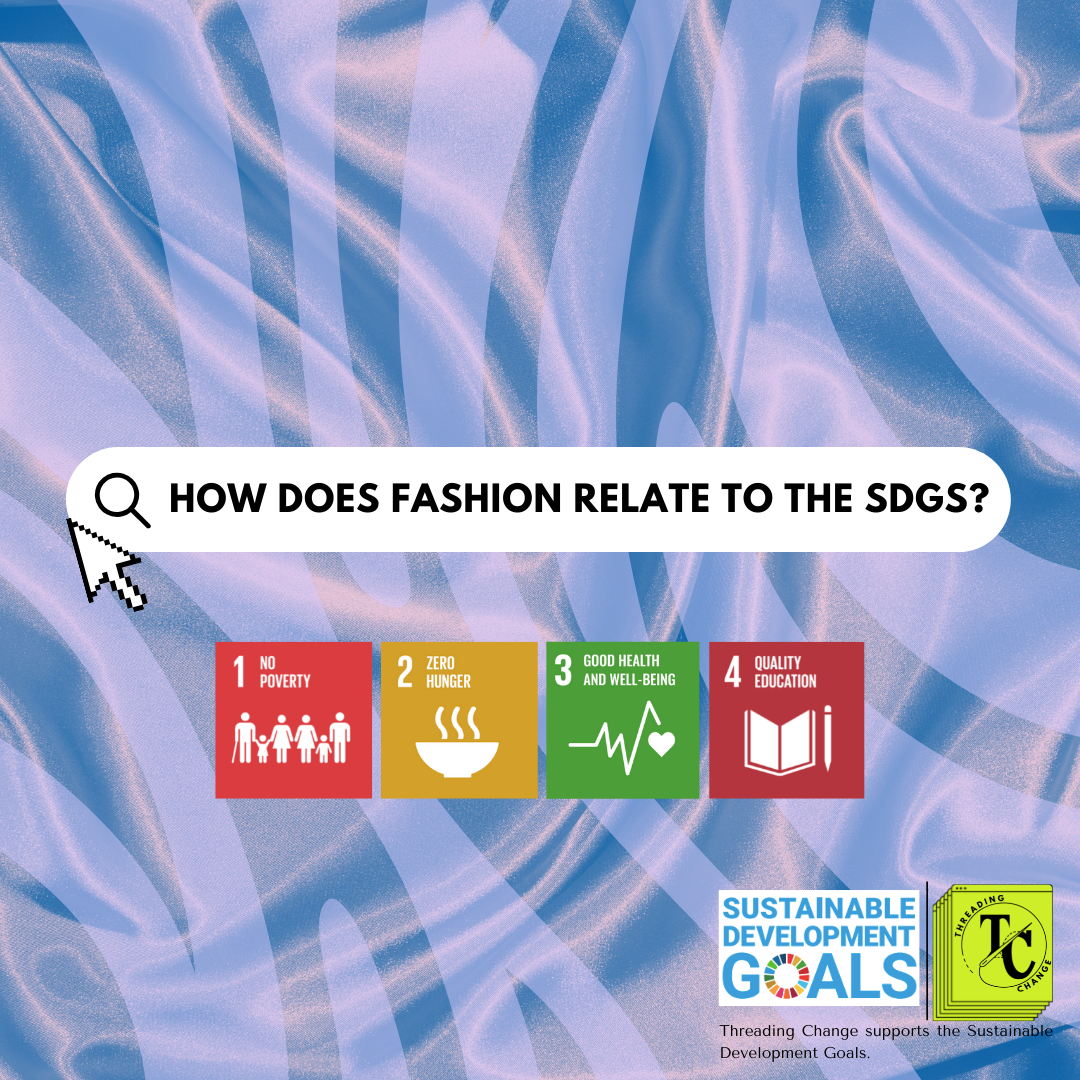
SDGs 1-4 Recap: No Poverty, Zero Hunger, Good Health and Well-being, and Quality Education
The fashion industry has contributed to maintaining poverty and food insecurity globally. Fashion impacts food insecurity in two ways: the taking of the land and the usage of the land. Food security means food sovereignty; the materials are part of a much larger picture of colonization and exploitation of the Indigenous people of the land and their traditional agricultural practices and systems.

COP26 Webinar Recap
For three decades the United Nations has hosted the conference of parties (COP) to gather countries to tackle the global climate crisis at an international level. The 26th edition was hosted in New Glasgow. Being held during Covid-19, Covid-19 and its impacts on communities was a dominant topic. In addition, the UN Sustainable Fashion Charter is one of many agreements that had renewed commitments. COP26 saw the UN Sustainable Fashion Charter draft up renewed statements with updated science-based emission reduction targets, commiting to halving emissions by 2030 (an update on the previous target of 30% reductions by 2030) and achieving net-zero emissions by no later than 2050. The charter also urges big brands to secure 100% of electricity from renewable sources with minimal other environmental or social impacts, for owned and operated (scope 2) emissions by 2030.

Fashion at COP26: What Happened? Webinar
COP26 was the first United Nations climate negotiations conference to happen in a post-COVID-19 world. Many countries and organizations were at the table, examining the feasibility of renewing climate targets, raising ambition in the process, and planning amidst the climate emergency during a global pandemic.

COP26 Read of the Week Roundup
Compiled here are a number of articles worth reading for more information on COP26 and its relation to fashion. We here at the Threading Change team encourage you to go through this list and learn more.

Threading the Connections between the SDGs and the Current Fashion and Textiles Industry
This first intro is an unpacking of Goal 1: “end poverty in all its forms everywhere”. The progress on this goal is facing compounding threats. The COVID-19 pandemic has raised the global poverty rate for the first time in over 20 years. With the threats of the ravaging pandemic, conflict and reactions to climate change the UN has expressed its realistic assessment that this goal will not be achieved without significant and advantageous action taken around policy and systems in place for protecting health, well being, income, employment and social protection to the most vulnerable members of our society. They have predicted that 600 million people by 2030 will still be living in extreme poverty.
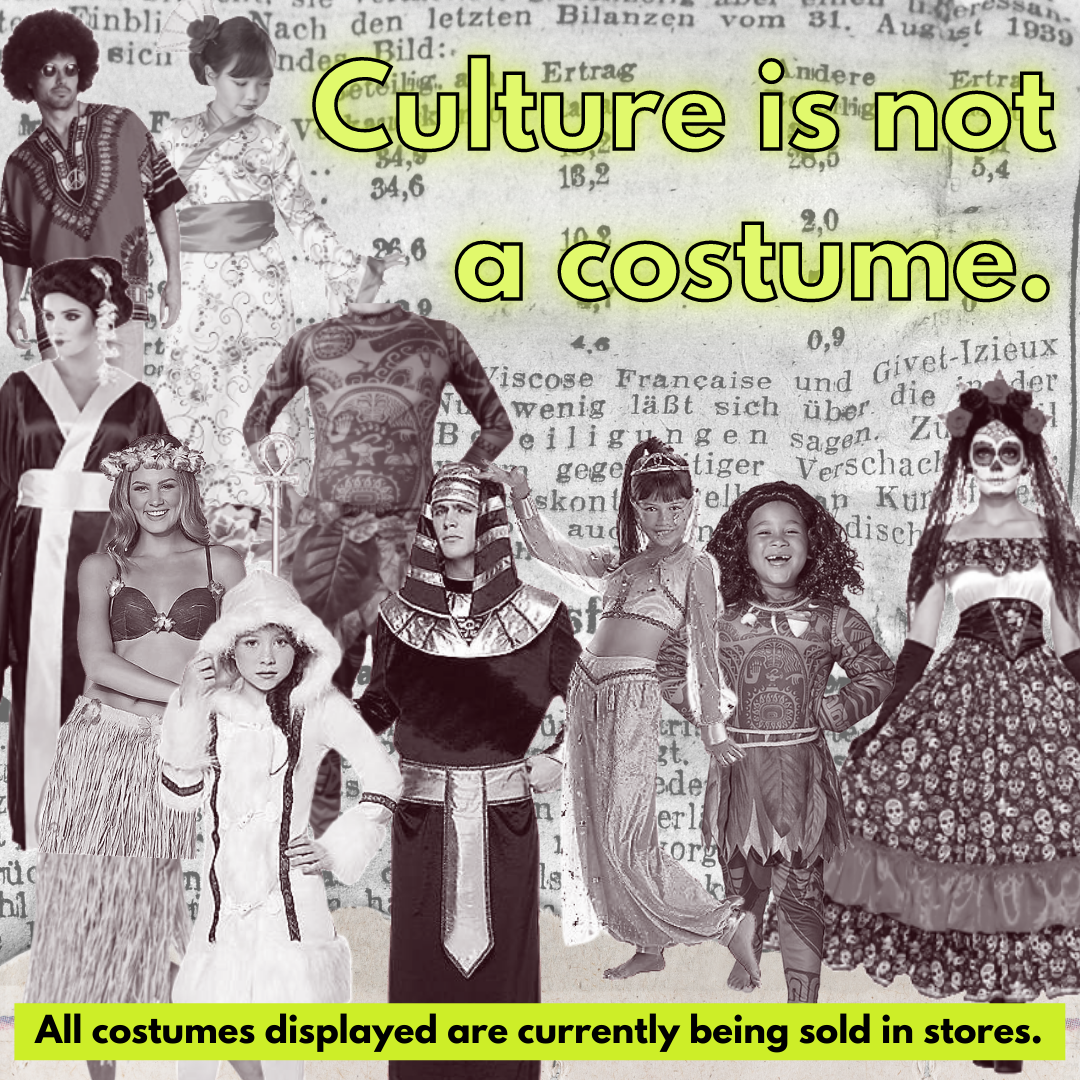
Cultural Appropriation: An Analysis of Costumes
Cultural appropriation is on the runway, it's in food trends, luxury fashion and hair styles done in photoshoots. We have heard it before, but do we truly understand the implications it has? Cultural appropriation is harmful, problematic, and it represents a general ignorance to the connections history of dress carries with white supremacy, colonialism and power hierarchies. These acts of cultural appropriation, oppression, racial stereotyping, or sexual fetishization rely on the harmful stereotypes about Black, Indigenous and People of Colour that originate from historical power dynamics. The dominant, Eurocentric culture steals experiences and elements from a group of people or culture that is experiencing ongoing systemic oppression. When we are culture appropriating we are removing culture from its context, history and knowledge perpetuating harmful interpretations, stereotypes and systemic oppression of cultural groups and individuals.
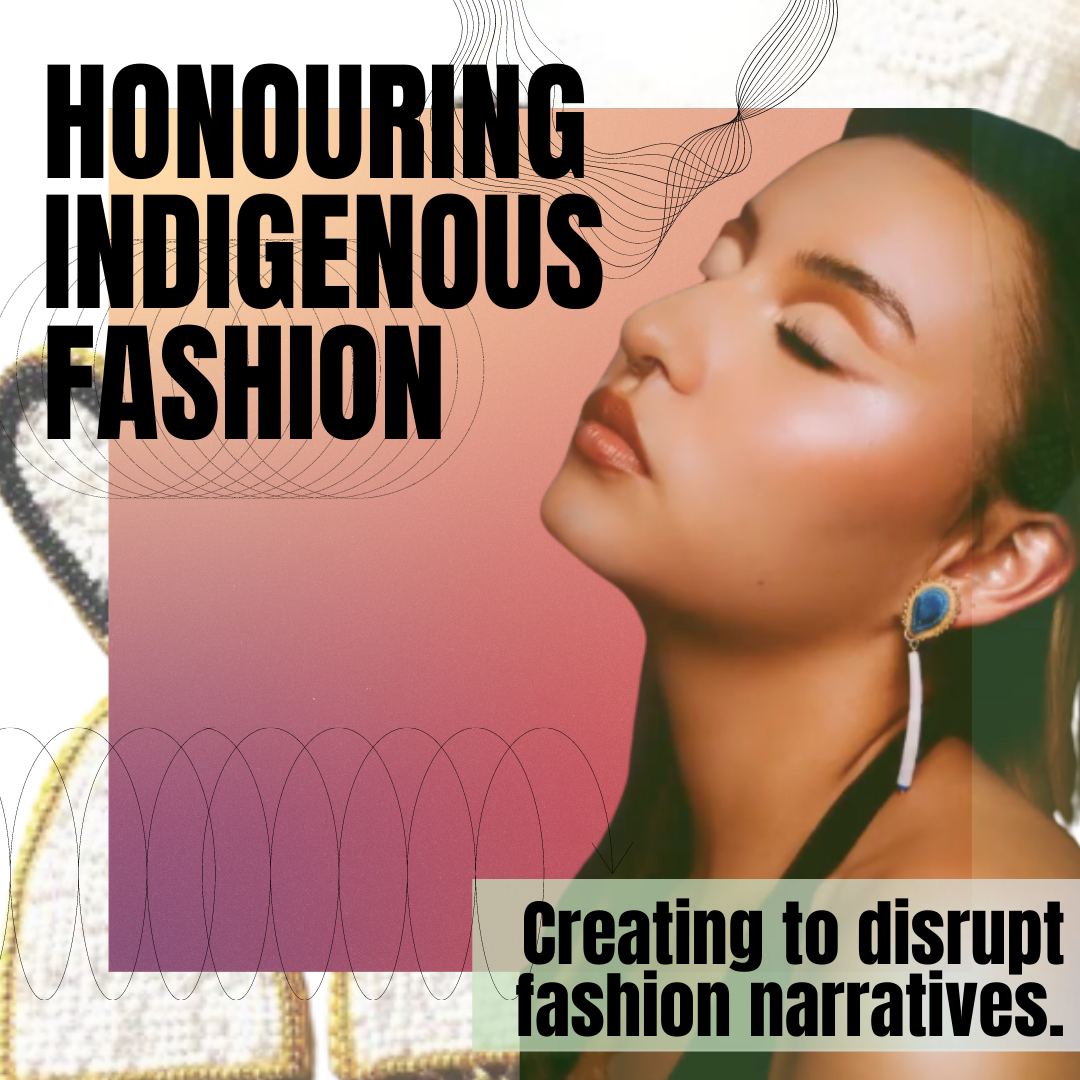
Fashioning Indigenous Identity and Resistance
Written by: Isabelle Sain, Communications Designer @ Threading Change
Editor: Sarah O’Rourke, Communications Manager @ Threading Change
[14-minute read]
Since first contact by settlers, Indigenous peoples, Trans, and 2spirit relatives have been made vulnerable through the appropriation of traditions and culture, and assimilation and forced displacement; both are continuous colonial strategies of extraction through cultural genocide.

Exploring the Significance of Traditions
Written by: Isabelle Sain, Communications Volunteer @ Threading Change
Editor: Sarah O’Rourke, Communications Manager @ Threading Change
[3-minute read]
Over the years, society’s relationship to tradition has declined. The rapid pace of scientific discoveries, and advancements in technology and manufacturing have led to a rise in mass production, and have further contributed to a shift away from traditional crafts.
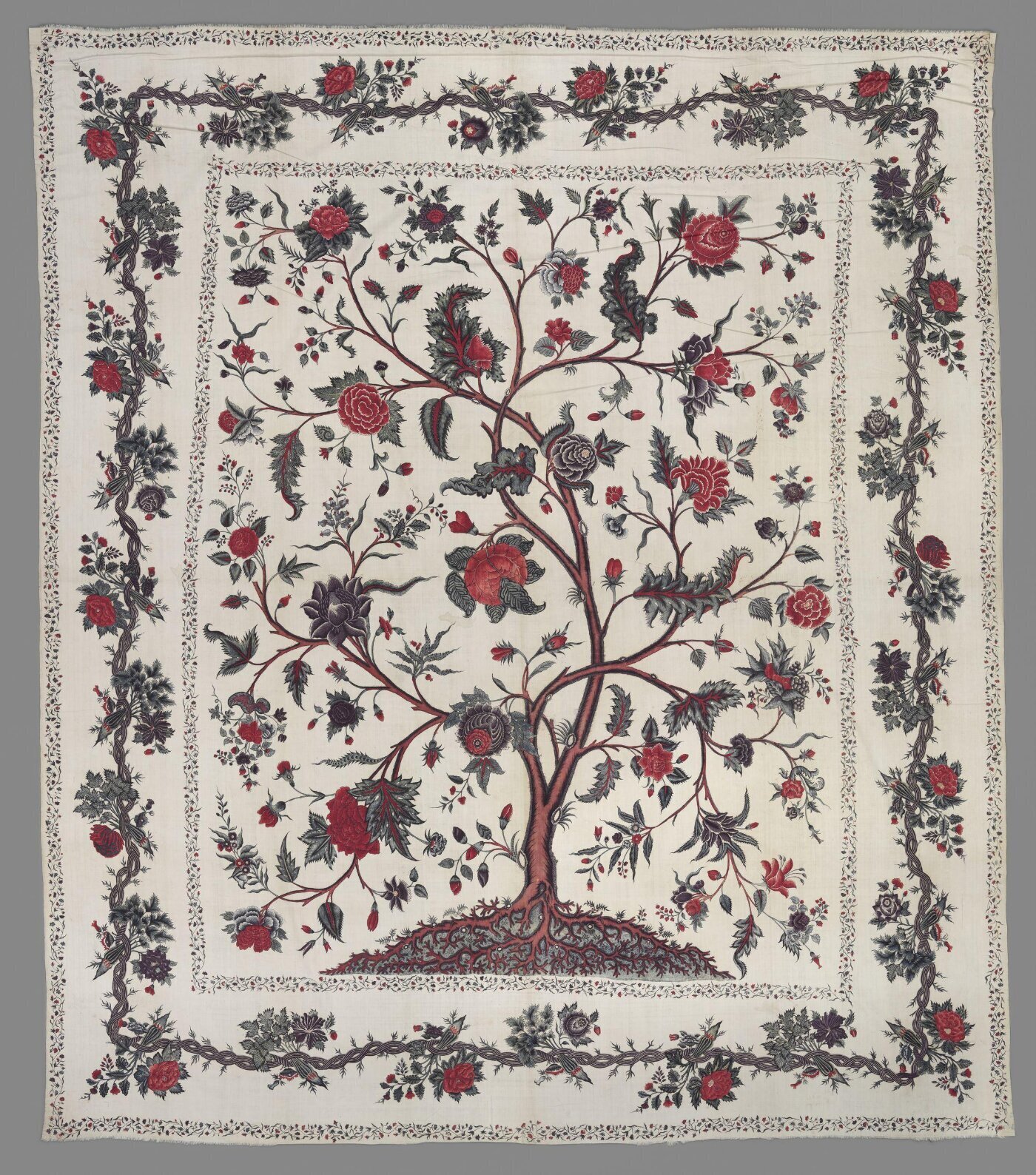
Fashion and Colonialism: a Case Study of India
Written by: Caroleen Molenaar, Research and Content Coordinator
[7 minutes read]
The relationship between fashion industries and colonialism is deeply intertwined within history, and the present day. This blog post explores these relationships by using India’s past and present as a case study: from chintz to garment workers.

Recycled plastic in clothing- is it sustainable?
Co-Written by: Karolina Lagercrantz, ICM & Carissa Kirk, Threading Change
[7 minutes read]
In this blog post, we invite you to think more critically about the promises of sustainability made by companies using recycled plastics in their clothing. How sustainable is it to use recycled plastics in fashion? What are the opportunities and what are the challenges? By asking these questions, we want to illustrate the importance of understanding all the unintended consequences that may emerge as we try to innovate for sustainable change.